
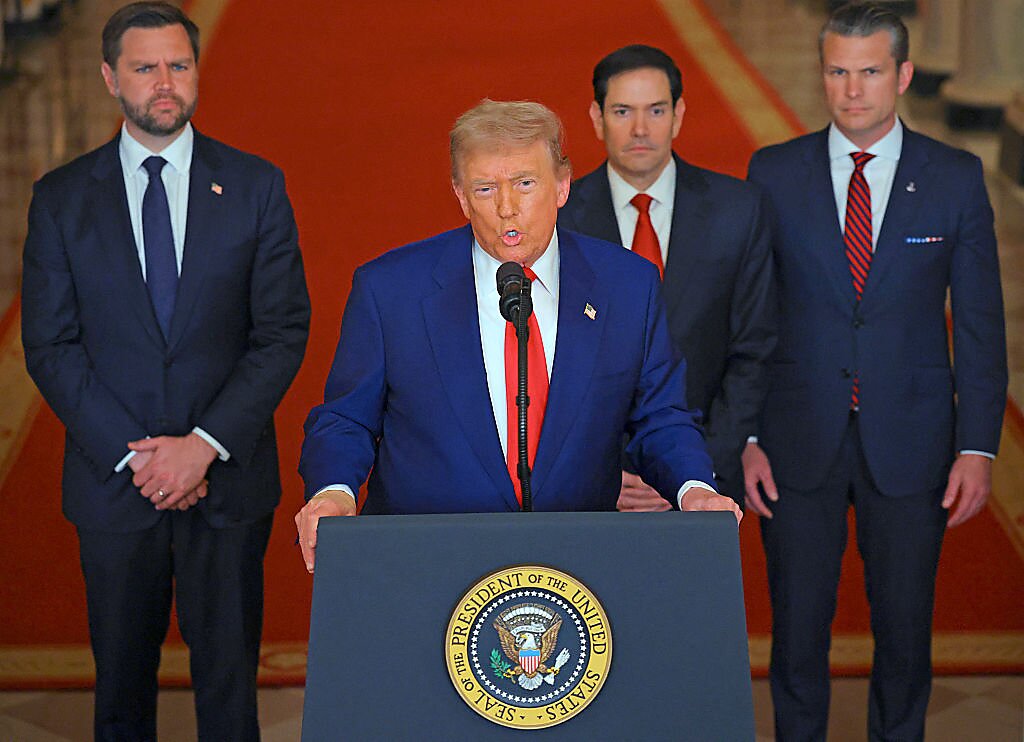
The ongoing US-Iran conflict has intensified with fresh missile and drone strikes targeting Gulf nations, forcing the UAE to temporarily shut its airspace. Amid rising tensions, former US President Donald Trump stated that the war would be “wrapped up soon,” even as global concerns over security, oil supply, and regional stability continue to grow.
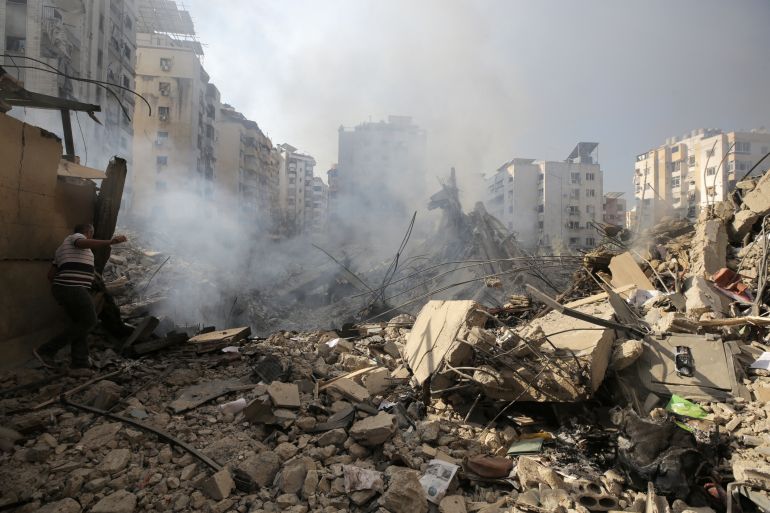
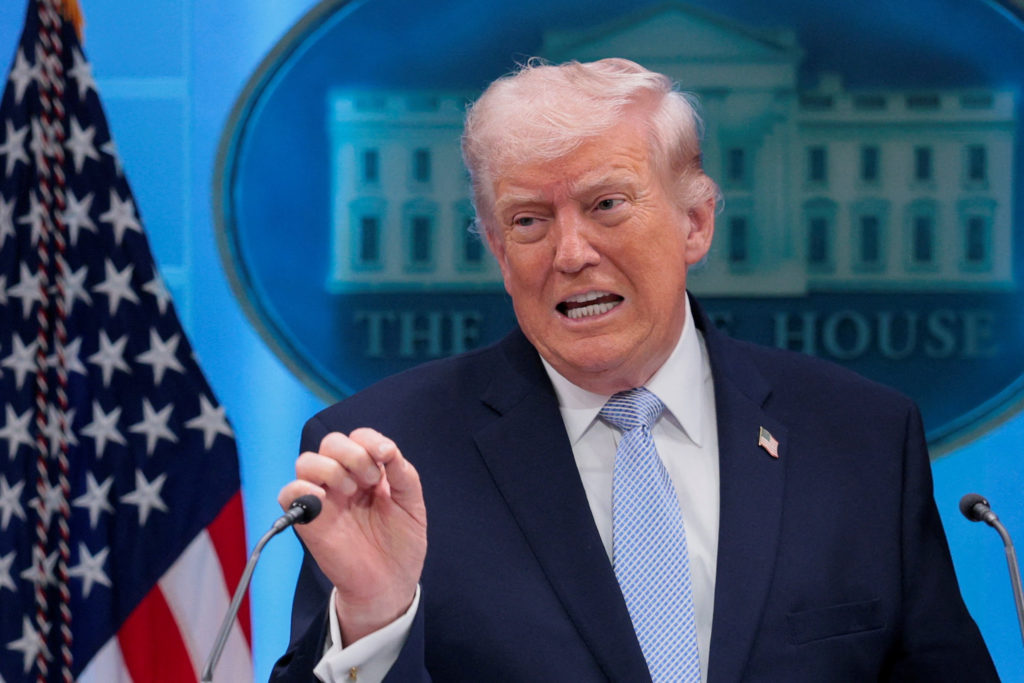
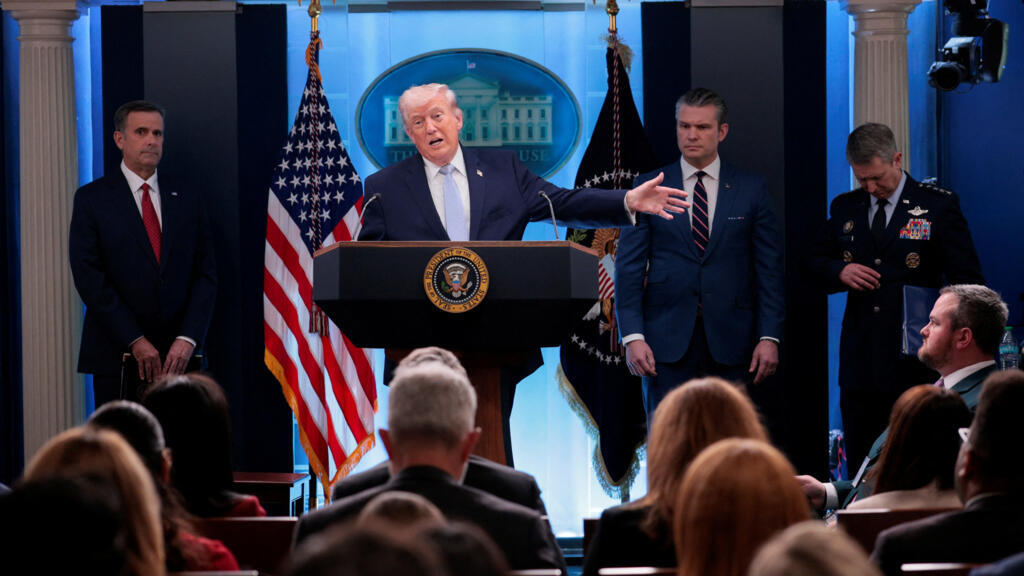
The conflict between the United States and Iran has entered a critical phase, with escalating military action across the Middle East impacting regional stability and global markets. The United Arab Emirates recently shut down parts of its airspace following a wave of Iranian missile and drone strikes targeting strategic locations across the Gulf. Authorities in the UAE confirmed that several incoming threats were intercepted by air defense systems, though debris and explosions caused panic among residents and disrupted aviation services. The situation highlights the growing intensity of the war, which has now spread beyond direct US-Iran confrontation to affect multiple countries in the region. Meanwhile, US forces have carried out precision strikes on Iranian missile infrastructure near the Strait of Hormuz, a crucial global oil transit route. These operations were aimed at neutralizing threats to international shipping and maintaining control over one of the world’s most vital energy corridors. Despite the ongoing hostilities, former US President Donald Trump expressed confidence that the war could end soon. Speaking to reporters, Trump said the conflict would be “wrapped up soon” and claimed that the outcome would lead to a safer global environment. However, the situation on the ground suggests otherwise. Iran has continued retaliatory attacks, launching hundreds of missiles and drones at US bases and allied nations, including the UAE. Most of these have been intercepted, but falling debris has caused civilian casualties and infrastructure damage, raising humanitarian concerns.
economy. Gulf nations, including the UAE, have become increasingly vulnerable as they host key US military installations, making them potential targets for Iranian retaliation. Airspace disruptions and airport shutdowns have already affected international travel, with several flights delayed or rerouted due to safety concerns. In recent days, drone attacks near major aviation hubs have forced temporary suspensions, highlighting the growing risks to civilian infrastructure. The conflict has also triggered fears of an energy crisis. The Strait of Hormuz, through which a significant portion of the world’s oil supply passes, remains under threat. Any prolonged disruption could lead to rising fuel prices, inflation, and global economic instability. Additionally, international divisions are becoming more visible. Reports indicate that several US allies, including NATO members, have been hesitant to join the conflict, raising questions about long-term strategy and global support. While Trump maintains that the war is nearing its conclusion, analysts warn that the continued exchange of missile and drone attacks suggests a prolonged conflict. With both sides unwilling to back down, the coming days will be crucial in determining whether diplomatic solutions can prevail or if the situation will escalate further into a broader regional crisis.