
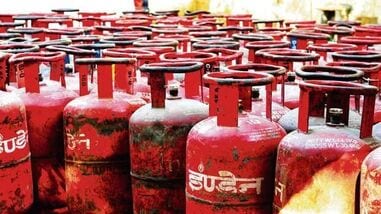
Amid rising Middle East tensions disrupting global fuel supply chains, the Indian government has intensified action against LPG overcharging and hoarding while assuring citizens of adequate supply. Authorities are also urging a faster transition to PNG to ensure long-term energy stability.
India is witnessing growing concerns over LPG supply due to escalating geopolitical tensions in the Middle East, particularly disruptions around the Strait of Hormuz — a critical route for global energy transport. The crisis has impacted LPG imports and triggered anxiety among consumers across several states. In response, the government has stepped up strict monitoring of LPG distribution networks to prevent overcharging, black marketing, and hoarding. Recent inspections in multiple regions have exposed violations by gas agencies, including illegal pricing practices and bypassing delivery norms, prompting authorities to initiate legal action under the Essential Commodities Act. Officials have reassured the public that domestic LPG supply remains stable and there is no immediate need for panic buying. Monitoring committees and control systems have been activated in major regions, including metro cities, to ensure uninterrupted availability and prevent misinformation.
The current LPG crisis is largely linked to global supply disruptions caused by ongoing conflict in West Asia, which has significantly affected shipping routes and delayed fuel shipments. Reports indicate that even Indian LPG cargo shipments have faced delays due to tensions in the region, raising concerns about supply continuity. To manage the situation effectively, the government has introduced multiple measures, including increasing LPG allocation to states and regulating commercial cylinder distribution to curb hoarding. Additionally, authorities are encouraging consumers and businesses to shift towards Piped Natural Gas (PNG), which is considered a more stable and reliable alternative. The push for PNG is also part of a long-term strategy to reduce India’s dependence on imported LPG, especially given that a significant portion of the country’s fuel needs comes from volatile global markets. Experts believe that increasing PNG adoption can help safeguard energy security and reduce the impact of global crises on domestic consumers.