

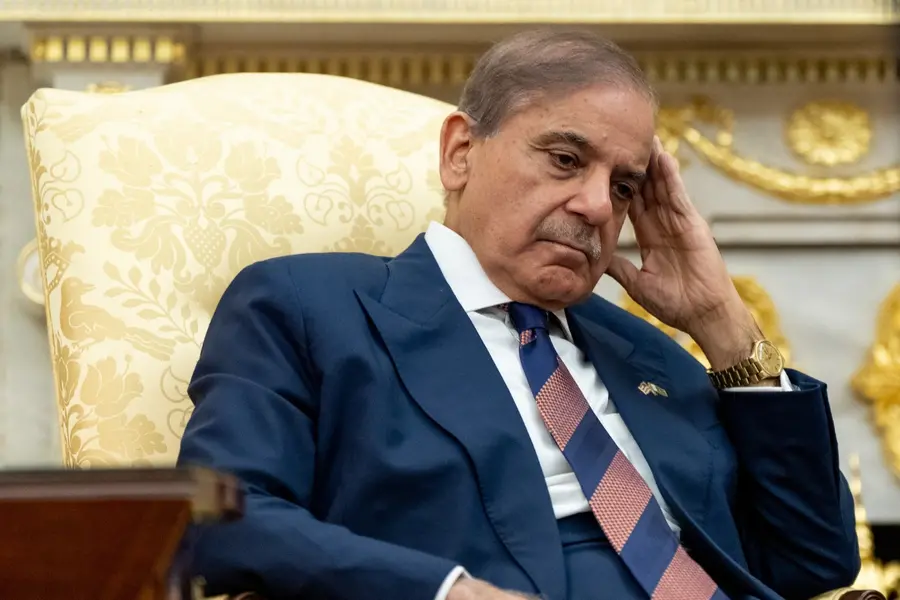
Pakistan’s repayment of a $3.5 billion loan to the UAE has intensified concerns over its financial stability. With declining foreign exchange reserves and upcoming debt obligations, the country faces a critical economic test in the coming months.
Pakistan’s economic stability is once again under pressure as the country proceeds with the repayment of a $3.5 billion loan to the United Arab Emirates. At a time when foreign exchange reserves are already under strain, this large outflow of funds has raised fresh concerns about whether the country can sustain its financial commitments without external support.
The repayment is significant not just in size, but in timing. Pakistan’s reserves are estimated at around $16–17 billion, and such a large outflow reduces the country’s ability to manage imports, stabilize its currency, and meet future obligations.
| Indicator | Estimated Value | What It Means |
|---|---|---|
| Forex Reserves | $16–17 Billion | Total available foreign currency buffer |
| UAE Loan Repayment | $3.5 Billion | Major outflow impacting reserves |
| Upcoming Debt (Short-Term) | ~$4.8 Billion | Payments due within months |
| Eurobond Payment | ~$1.3 Billion | External commercial debt |
| IMF Programme Status | Active but sensitive | Requires reserve stability |
| Key Support Countries | China, Saudi Arabia | Potential financial backing |
Why This Repayment Matters Now
For years, Pakistan managed its external debt by rolling over loans from friendly nations instead of repaying them immediately. This approach provided temporary relief but did not solve underlying structural issues.
The recent repayment marks a shift from that strategy. Instead of extending the loan, Pakistan is now clearing it—reducing immediate liabilities but tightening short-term liquidity.
This is happening at a time when global economic conditions are already unfavorable, with rising oil prices and geopolitical tensions increasing import costs.
IMF Pressure and the Risk of Financial Imbalance
Pakistan’s agreement with the International Monetary Fund adds another layer of complexity. The IMF programme requires the country to maintain a certain level of foreign reserves and financial discipline.
Earlier, continued support from allies like the UAE helped Pakistan meet these requirements. However, with repayments replacing rollovers, the risk of falling short of IMF expectations increases.
If Pakistan fails to maintain required reserve levels, it could jeopardize future IMF funding—something that would significantly weaken investor confidence.
Dependence on External Allies
At this stage, Pakistan’s financial stability depends heavily on timely support from allies such as China and Saudi Arabia. These nations have previously stepped in with deposits and loans to stabilize Pakistan’s economy.
However, relying on external funding is not a long-term solution. Delays or uncertainties in fresh inflows could quickly intensify pressure on the country’s reserves and currency.
Impact on Economy and Common Citizens
The effects of this financial stress are not limited to government accounts—they directly impact everyday life.
A decline in reserves can weaken the Pakistani rupee, making imports more expensive. This leads to higher fuel prices, increased inflation, and rising cost of living. Businesses also face higher costs, which can slow economic growth and reduce job opportunities.
Will Pakistan Go Bankrupt?
Despite rising concerns, experts believe that an immediate bankruptcy scenario is unlikely. Pakistan still has access to international financial support and some buffer in reserves.
However, the margin of safety is shrinking. The combination of debt repayments, rising imports, and dependence on external funding creates a fragile balance.
A Defining Economic Moment
Pakistan’s current situation highlights a deeper issue—long-term dependence on borrowed funds without sufficient growth in exports and domestic revenue.
The repayment of the UAE loan is not just a financial transaction; it is a test of the country’s ability to manage its economic challenges independently.
The coming months will be critical. If Pakistan secures timely support and maintains IMF confidence, it could stabilise. If not, the pressure could escalate into a broader financial crisis.



_1775073585.webp)