

After peace talks in Islamabad collapsed without a deal on April 12, the United States Navy launched a full military blockade of all Iranian ports on April 13, 2026. Oil surged past $102 a barrel, tankers turned back at the Strait of Hormuz, Iran called it piracy, and 20,000 Indian sailors remain stranded in the Gulf. Here is everything that has happened and what it means for you.
The moment the Navy moved and the tankers stopped dead
Washington / Persian Gulf, April 13, 2026 At exactly 10 a.m. Eastern Time on Monday, the United States Navy activated what may be the most consequential maritime blockade since the Cuban Missile Crisis. US Central Command confirmed it plainly: all vessels entering or leaving Iranian ports were now subject to interception. Within minutes of the announcement, vessel-tracking platform MarineTraffic recorded something striking two oil tankers approaching the Strait of Hormuz simply turned around. One of them, the Rich Starry, was carrying oil with China listed as its destination. It reversed course roughly twenty minutes after the blockade began. Another ship, the Ostria flying the flag of Botswana, a landlocked country in southern Africa, a common trick used by vessels trying to evade sanctions also pulled back. The sea lanes that once carried a fifth of the world's oil had gone quiet again, but this time it was the United States holding the door shut, not Iran.
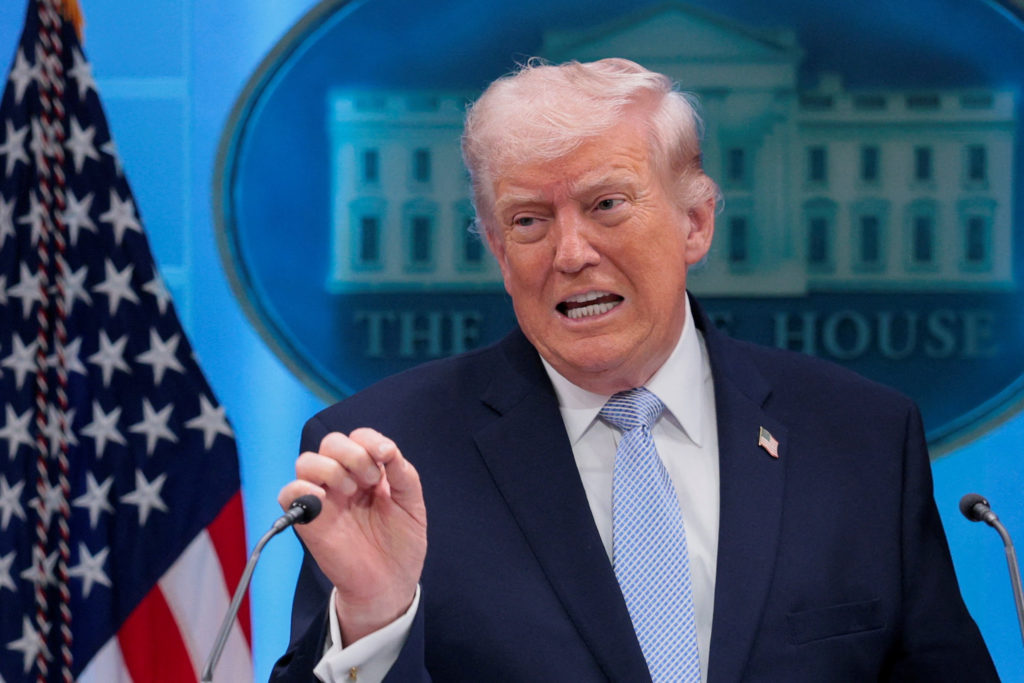
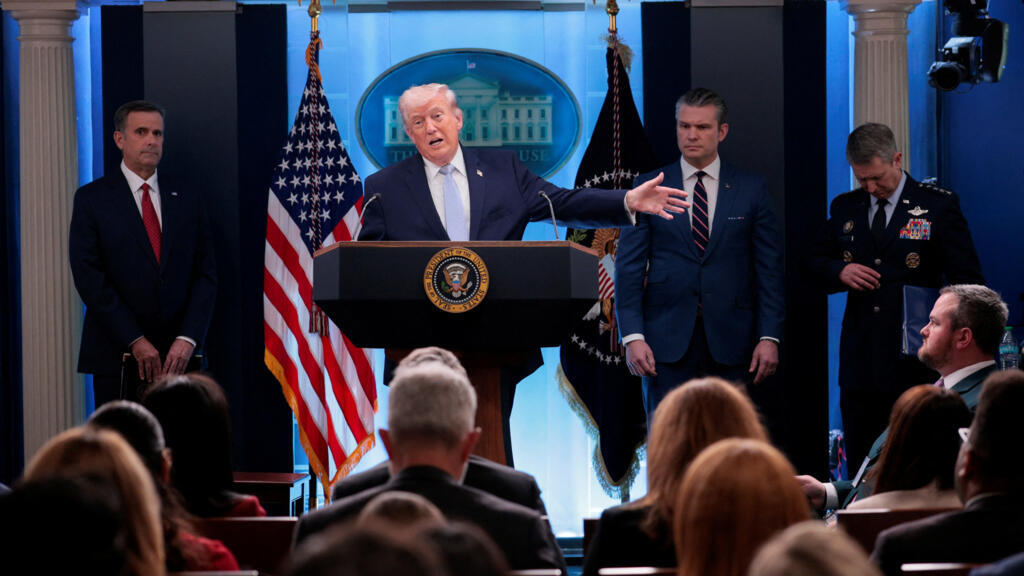
The blockade covers every Iranian port on the Arabian Gulf and the Gulf of Oman. It applies to ships of all nations not just Iranian-flagged vessels. The US has made clear it will allow non-Iranian ships to transit the Strait of Hormuz freely, but any vessel doing business with Iran's ports will be stopped. President Trump framed it in simple terms while standing outside the White House: "We can't let a country blackmail or extort the world because that is what they are doing." He added, almost as a secondary thought, that Iran had already been in touch. "They want to work a deal," he said.
Why talks collapsed and why the Navy followed immediately
This blockade did not come from nowhere. It is the direct consequence of the Islamabad peace talks failing on April 12. Vice President JD Vance had travelled to Pakistan leading a US delegation that included envoy Steve Witkoff and Jared Kushner. On the Iranian side, Parliament Speaker Mohammad Bagher Ghalibaf and Foreign Minister Abbas Araghchi arrived under Pakistani Air Force escort. The talks lasted a weekend. They ended without a breakthrough. Iran's conditions sanctions removal, the right to enrich uranium, a Lebanon ceasefire, and control over the Strait of Hormuz remained too far from what Washington was willing to accept. As Vance's plane left Islamabad, Trump was already announcing the blockade on social media. By Monday morning, the Navy was in position.
Iran fires back and calls it piracy on the open sea
Tehran did not stay quiet for long. Iran's military command issued a statement through state television that described the US blockade as "criminal" and "illegal," using a word that carries a specific charge: piracy. "The restrictions imposed by criminal America on maritime navigation in international waters are illegal and constitute an example of piracy," said the statement from Khatam Al-Anbiya, Iran's armed forces central command. The threat that followed was blunter still: "If the security of the Islamic Republic of Iran's ports is threatened, no port in the Persian Gulf and the Arabian Sea will be safe." Iran's Parliament Speaker Ghalibaf, speaking on his return from Islamabad, addressed Trump directly in a statement that left little ambiguity: "If you fight, we will fight." The IRGC separately declared that the Strait of Hormuz remained under its "full control" and that any military vessel attempting to pass would receive a "forceful response."
230 oil tankers stuck, 20,000 Indian sailors stranded, prices climbing
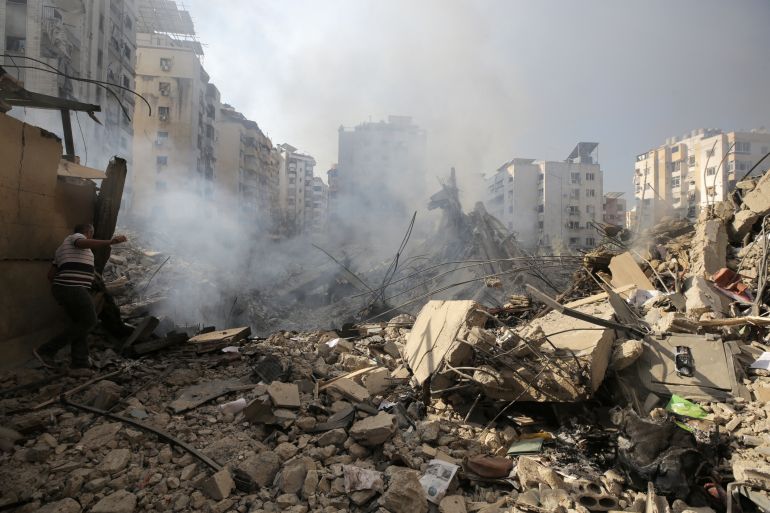
Behind the military posturing sits a humanitarian and economic emergency that is quietly worsening. The head of Abu Dhabi National Oil Company revealed that 230 loaded oil tankers are currently waiting inside the Persian Gulf, unable to move. The National Union of Seafarers of India has written formally to India's national shipping board warning that nearly 20,000 Indian crew members are stranded in the region, running short of basic supplies. Brent crude oil, the global benchmark, rose 7 percent on Monday alone, climbing to around $102 a barrel more than 30 percent above where it stood before the war began in February. The United Nations Development Programme has estimated that over 32 million people globally could be pushed into poverty by the economic fallout of this conflict.
What comes next and why nobody has a clean answer
The US Navy currently has at least 15 warships in the Middle East region, including an aircraft carrier and eleven destroyers. Military analysts say that enforcing a blockade of this scale tracking, intercepting and boarding vessels across the Gulf of Oman and the Arabian Sea is operationally complex and puts American sailors in reach of Iran's anti-ship missiles and naval drone capabilities. Iran is also believed to have planted sea mines inside the Strait of Hormuz, and reports suggest Tehran itself may have lost track of some of them. Trump, when asked Sunday how long he would wait for Iran to return to the table, gave perhaps the most revealing answer of the entire crisis: "Oh, I don't know. I don't care if they come back or not." For the families of 20,000 sailors, for the 32 million people facing poverty, and for every country that depends on Gulf oil — that answer is the most frightening sentence of this entire war.


_1775073585.webp)