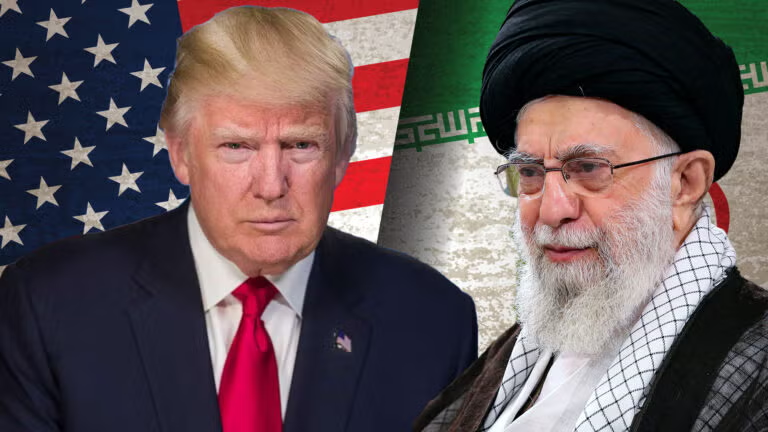

As the 2026 Iran conflict enters a volatile new phase, President Trump has signaled a shocking shift in strategy: ending the military campaign even if the Strait of Hormuz remains closed. With Brent crude hitting historic highs and global supply chains in a chokehold, we analyze the "New Oil Reality" that could redefine the global economy and your wallet.
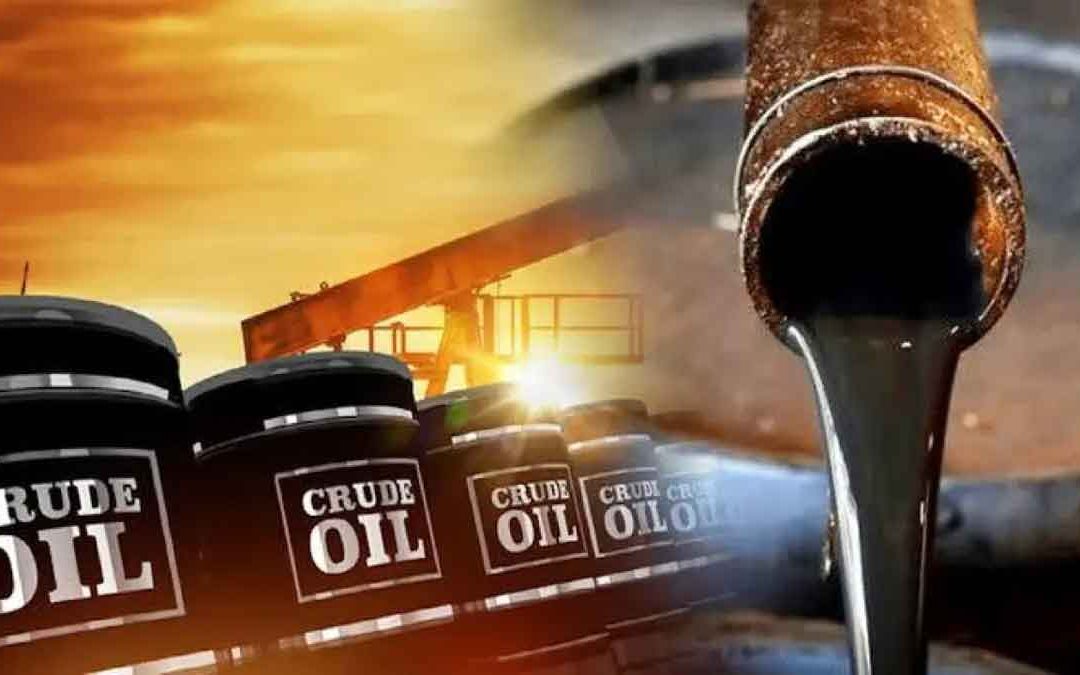
The world is witnessing the most significant energy disruption since the 1970s. Following the February 28 strikes and the subsequent blockade of the Strait of Hormuz, nearly 20% of the world’s seaborne oil has vanished from the market. Brent crude has skyrocketed, recently settling near $118 per barrel—a staggering 63% monthly increase. In a dramatic "America First" pivot, President Trump has urged other nations to "go get their own oil," suggesting the U.S. may cease active clearing operations in the waterway. This leaves Asian and European economies scrambling as the "grocery supply emergency" intensifies across the Gulf.
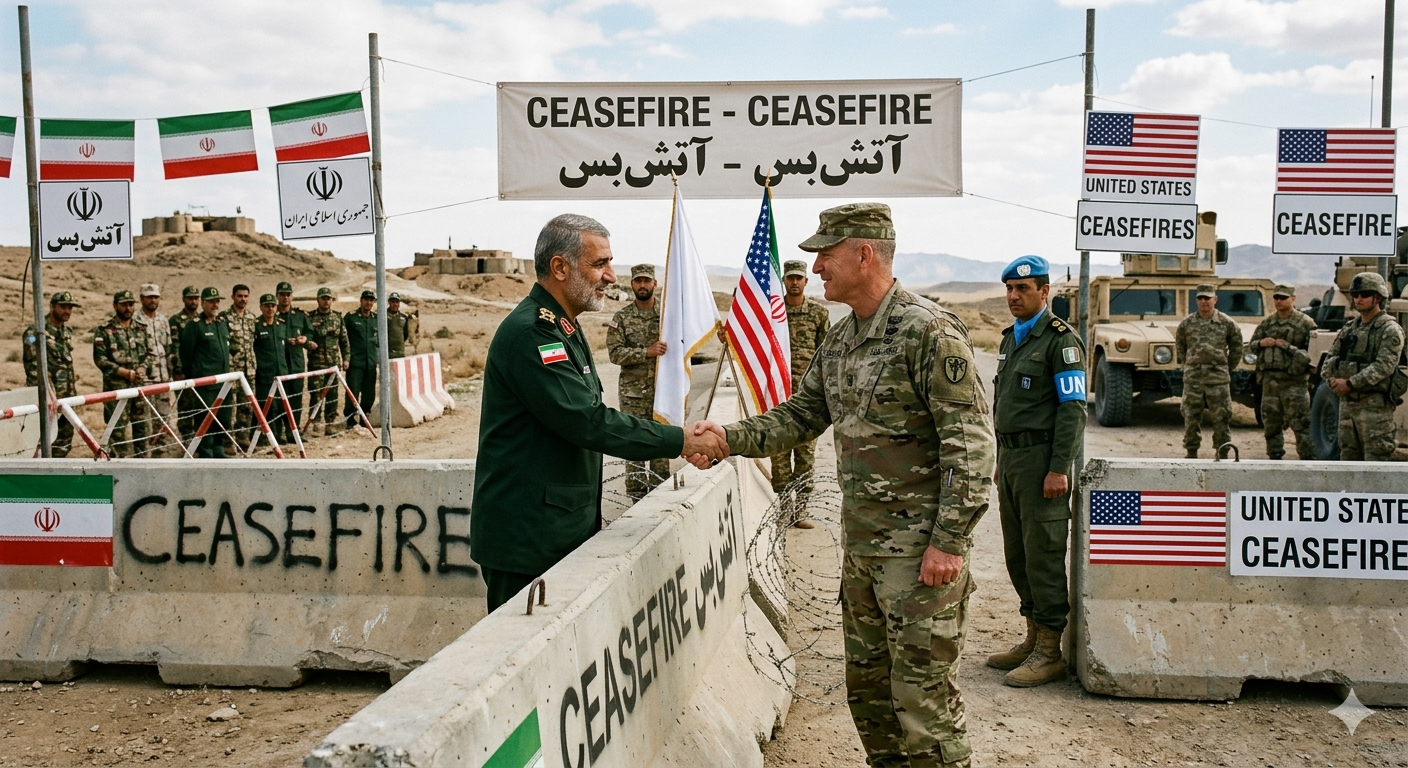
The "Trump Doctrine" is currently being tested in the heat of the Persian Gulf. By signaling a willingness to wind down the war without a guaranteed reopening of the Strait, the administration is forcing a global recalculation of energy security. For years, the world relied on the U.S. Navy to keep the "jugular vein" of global trade open; now, that era may be ending.
The economic carnage is already visible. QatarEnergy has declared force majeure, and Saudi Arabia has slashed production by 20% as storage tanks hit capacity. But the impact isn’t just at the gas pump. Because crude oil is a foundational component for over 6,000 products from fertilizers to plastics inflation is bleeding into every sector.
Analysts warn of a "double-chokepoint" nightmare. As Iran pushes the Houthis to ramp up attacks in the Red Sea, the alternative route via the Suez Canal is also under fire. If both Hormuz and the Bab el-Mandeb strait remain compromised, we aren't just looking at expensive gas; we are looking at a systemic collapse of global "just-in-time" logistics. Investors are fleeing bonds and pivoting to energy stocks like Exxon and Occidental, as the market bets on a prolonged period of $100+ oil.
This isn't just a ticker tape move; it's a fundamental shift in how the world breathes. For the average person, "Hormuz" used to be a word in a geography book. Today, it’s the reason your grocery bill is up 40% and your flight was canceled. We are watching a high-stakes game of chicken between Washington and Tehran, and the global economy is the one standing in the middle of the road.