
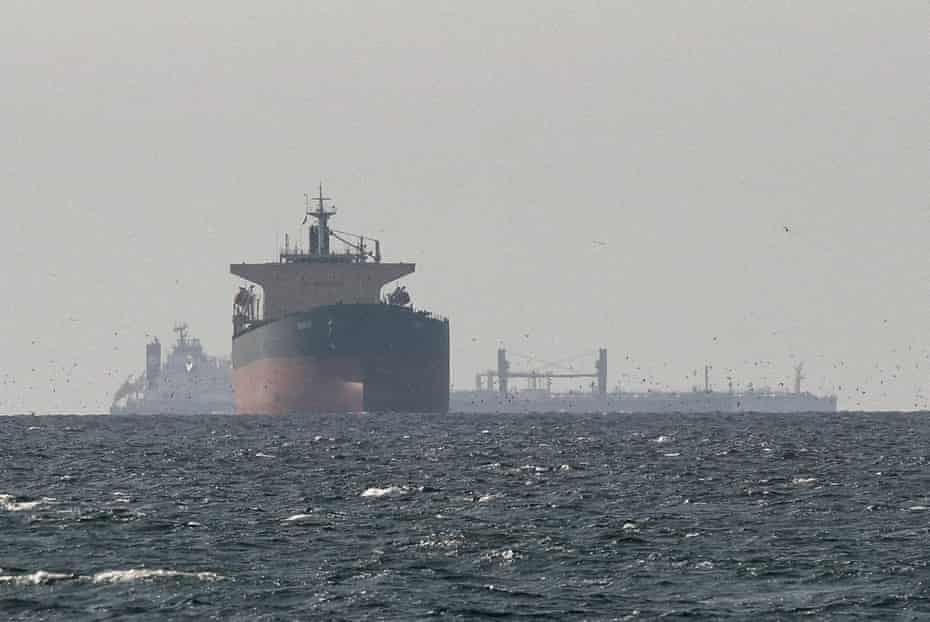
A major oil tanker was struck near Dubai in an alleged Iranian attack, intensifying Middle East tensions as Donald Trump issues a stark warning, raising concerns over global oil supply and security.
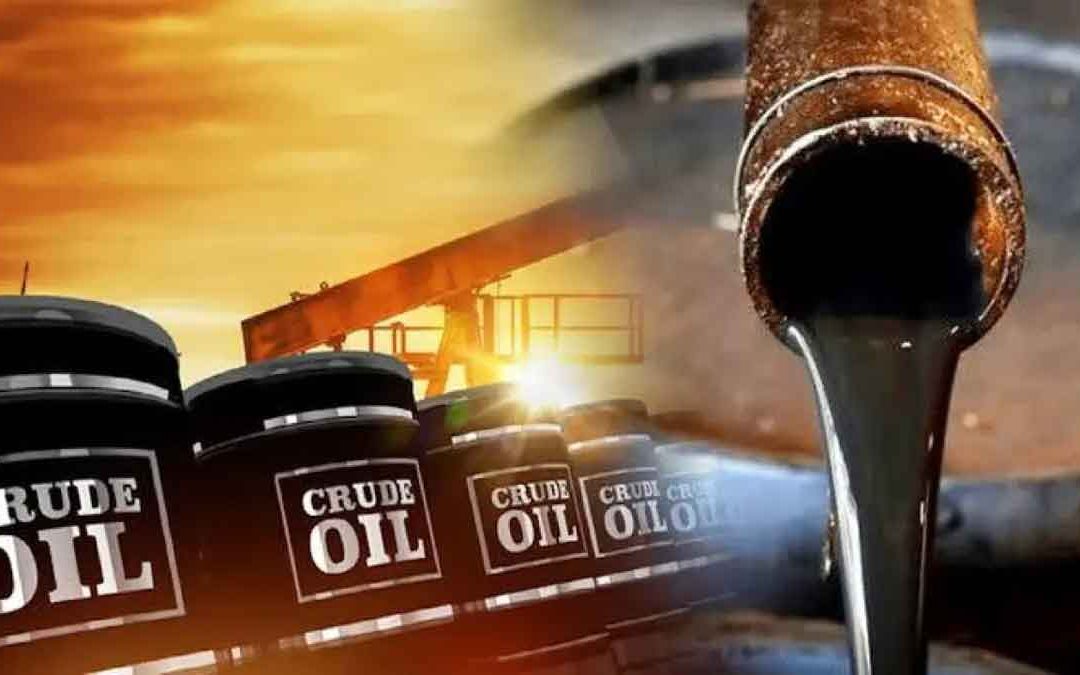
A fresh flashpoint has emerged in the already volatile Middle East, after a massive oil tanker was hit in waters off Dubai, triggering a fire and fresh concerns over the safety of global energy routes.
According to initial reports, the vessel—loaded with crude oil—was struck in what is being seen as part of the ongoing escalation between Iran and a US-led bloc. While authorities confirmed that the fire was brought under control and no casualties were reported, the incident has sent shockwaves through global markets.
The attack comes at a time when the region is already on edge following weeks of military exchanges. The Strait of Hormuz, a narrow but crucial oil transit route, has effectively turned into a high-risk zone, with multiple ships either attacked or forced to reroute in recent weeks. Around 20% of the world’s oil supply passes through this corridor, making any disruption instantly global in impact.
Shipping companies have already begun exercising caution. Some vessels are avoiding the region altogether, while others are waiting at safe distances, unsure of how the situation will evolve.
Oil prices reacted almost immediately. Benchmarks surged past the $100 mark amid fears that supply chains could tighten further if attacks continue.
This isn’t an isolated incident either. Over the past month, several merchant ships have reportedly been targeted in the Gulf, underlining a pattern of escalating maritime risk linked to the broader conflict.
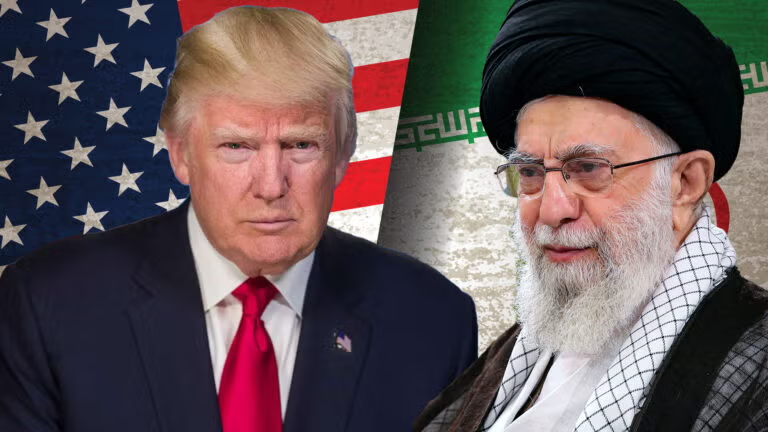
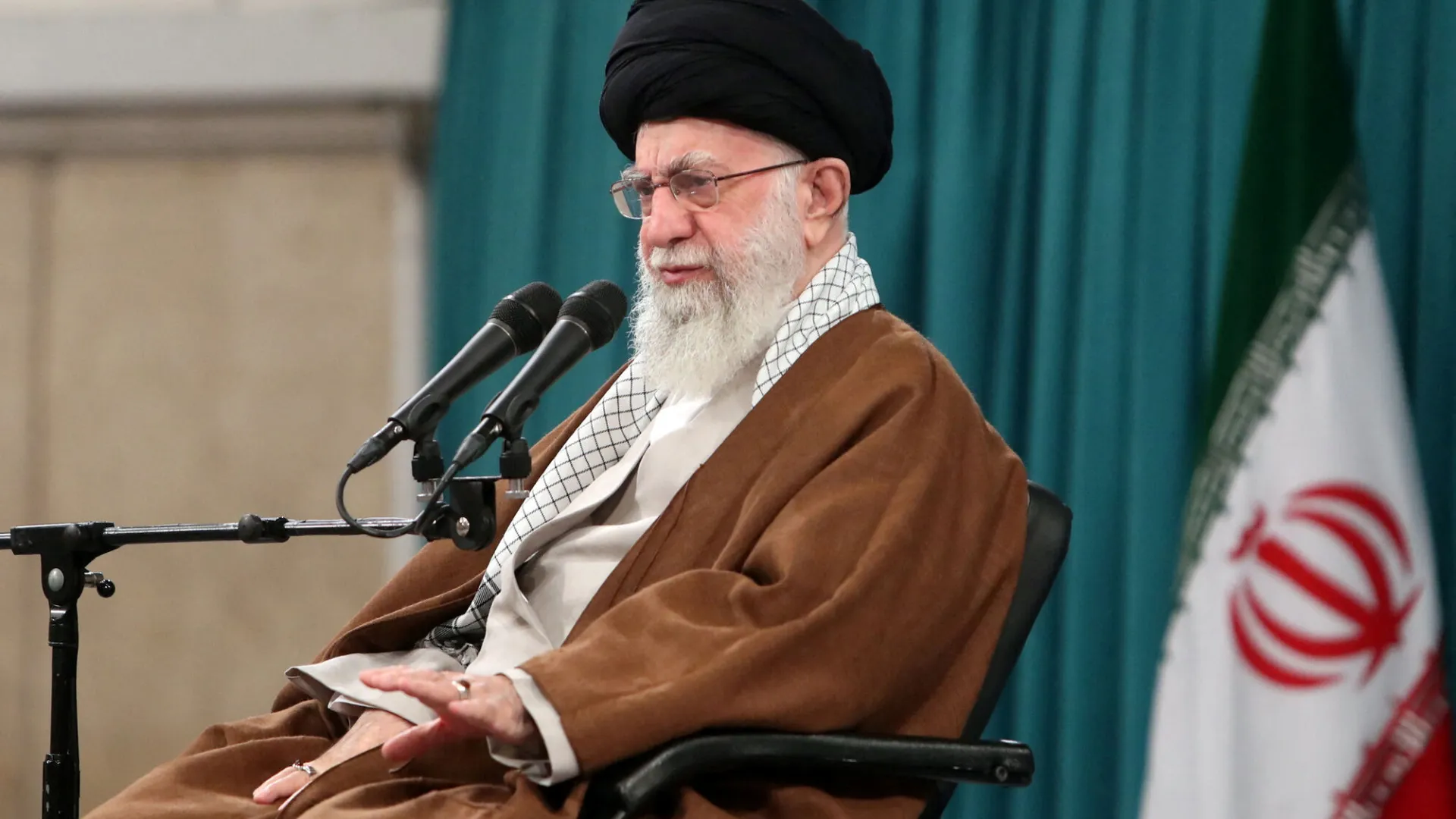
The political temperature has risen just as sharply. Former US President Donald Trump issued a strong warning, saying Iran’s energy infrastructure could face severe retaliation if the situation worsens.
His remarks come amid ongoing backchannel talks aimed at reducing tensions, though there has been little visible progress so far. Iran, on its part, has rejected several proposals, calling them unrealistic, even as military actions continue on multiple fronts.
Behind the scenes, the conflict has already expanded beyond a single flashpoint. Israel has carried out strikes on Iranian-linked targets, while Iran-backed groups have responded with missile and drone attacks across the region.
The bigger concern now is the economic fallout. With oil prices rising and shipping routes under threat, countries heavily dependent on energy imports—like India—are watching closely. A prolonged disruption could push fuel prices higher and add pressure on inflation globally.
Why this matters:
Global oil supply routes are under direct threat
Energy prices are already reacting sharply
Shipping and insurance costs are rising
Risk of wider regional conflict remains high
There are also fears of environmental damage if such attacks lead to large-scale oil spills in the Gulf waters.