
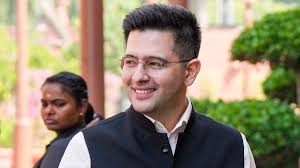
Raghav Chadha’s removal from a key Rajya Sabha role has triggered speculation of deeper tensions within AAP. Beyond the headlines, the episode reveals internal recalibration, leadership priorities, and evolving political strategies within the party.
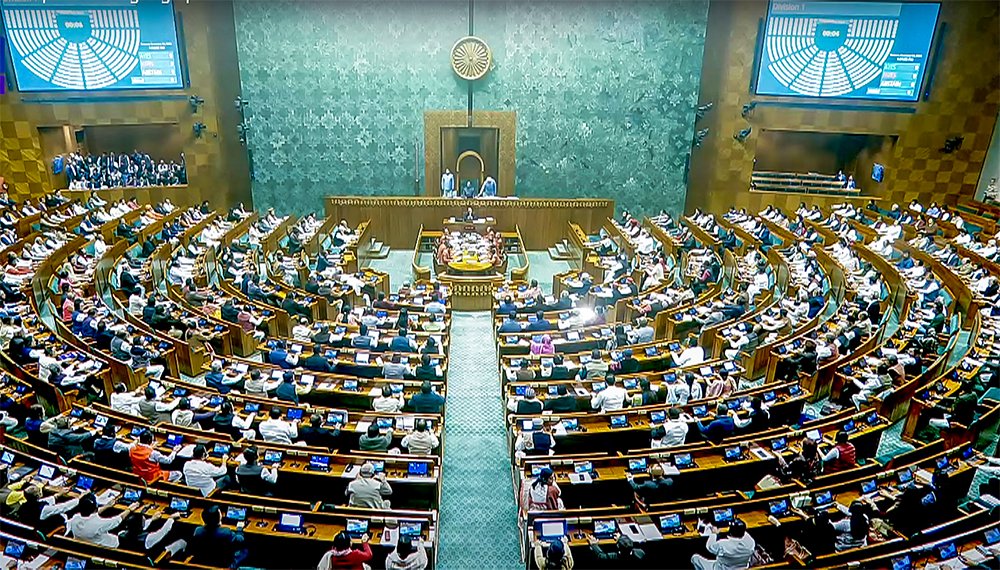
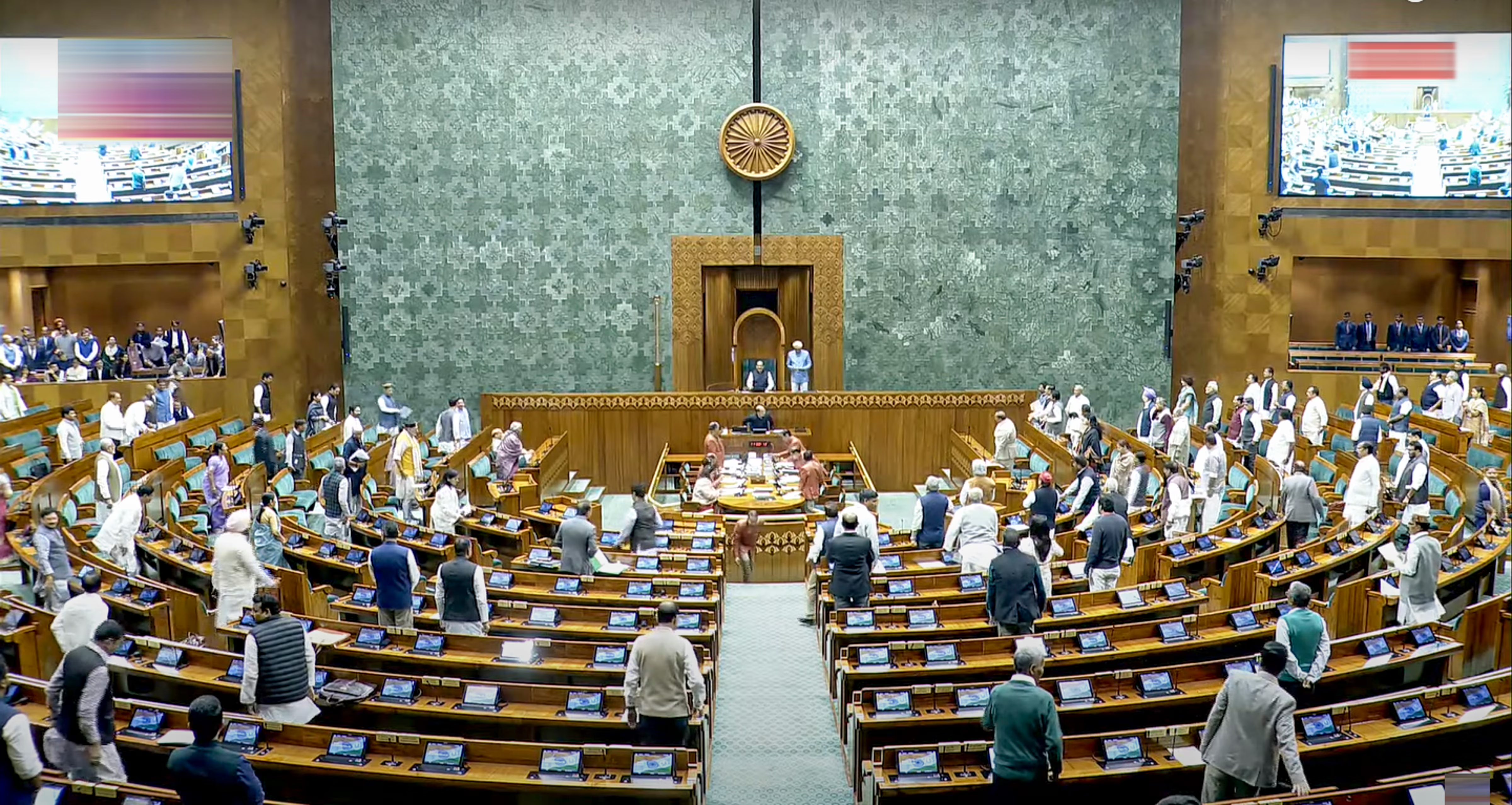
In a dramatic turn of events, the internal dynamics of the Aam Aadmi Party have come under intense scrutiny after senior leader Raghav Chadha was removed from his position as Deputy Leader in the Rajya Sabha. What initially appeared to be a routine organisational reshuffle has now snowballed into a full-blown political controversy.
Sources within the party suggest that the decision was not sudden but the result of long-standing concerns about Chadha’s role and conduct. According to insiders, his alleged behind-the-scenes efforts to elevate his position within the Rajya Sabha leadership—particularly during a period when senior leader Sanjay Singh was in jail—raised eyebrows within the party’s top brass.
The situation escalated further when Chadha publicly claimed that he was being “silenced” by his own party. In a video message, he questioned why he was allegedly restricted from speaking in Parliament, asserting that his focus had always been on raising issues affecting the common citizen.
However, the party leadership quickly hit back. Senior leaders accused Chadha of failing to stand firmly with the party during critical moments, especially when key figures like Arvind Kejriwal were facing legal and political challenges.
There were also allegations that Chadha avoided participating in opposition protests and did not strongly challenge the central government on major national issues.
This clash of narratives has exposed what many observers are calling a deeper ideological and strategic divide within AAP—one that may shape the party’s future direction in national politics.
What Exactly Triggered?
Leadership Ambitions & Internal Politics: At the heart of the controversy lies an alleged internal power struggle. Party insiders claim that Raghav Chadha tried to position himself for a bigger leadership role in the Rajya Sabha during a sensitive period.
“Silenced” vs “Non-Active” Narrative: Chadha insists he was sidelined despite raising public issues. Meanwhile, AAP leaders argue that he avoided taking strong political stands and focused on “soft issues” rather than confronting the government directly.
Absence During Political Crisis :Another major allegation is Chadha’s perceived absence when the party faced one of its toughest phases, including legal troubles involving top leadership. This reportedly weakened trust within the party ranks.
Public Fallout & Political Messaging: The conflict has now spilled into the public domain, with sharp statements from both sides. Chadha’s “silenced, not defeated” message signals a political comeback attempt, while party leaders have openly questioned his commitment
This is not just an internal reshuffle—it is a signal of deeper cracks within one of India’s fastest-growing political parties. The fallout could impact:
AAP’s national expansion strategy, Its unity ahead of upcoming elections ,Leadership perception among voters
Right now, this is more than a disagreement—it’s a battle of narrative and control.
If Raghav Chadha manages to build public sympathy, this could turn into a comeback story.
If the Aam Aadmi Party consolidates internally, it may emerge stronger but more tightly controlled.
Either way, this episode has already changed the internal political equation.