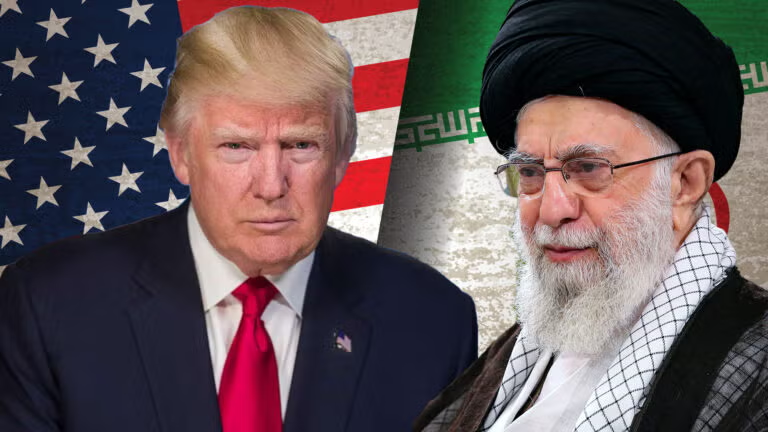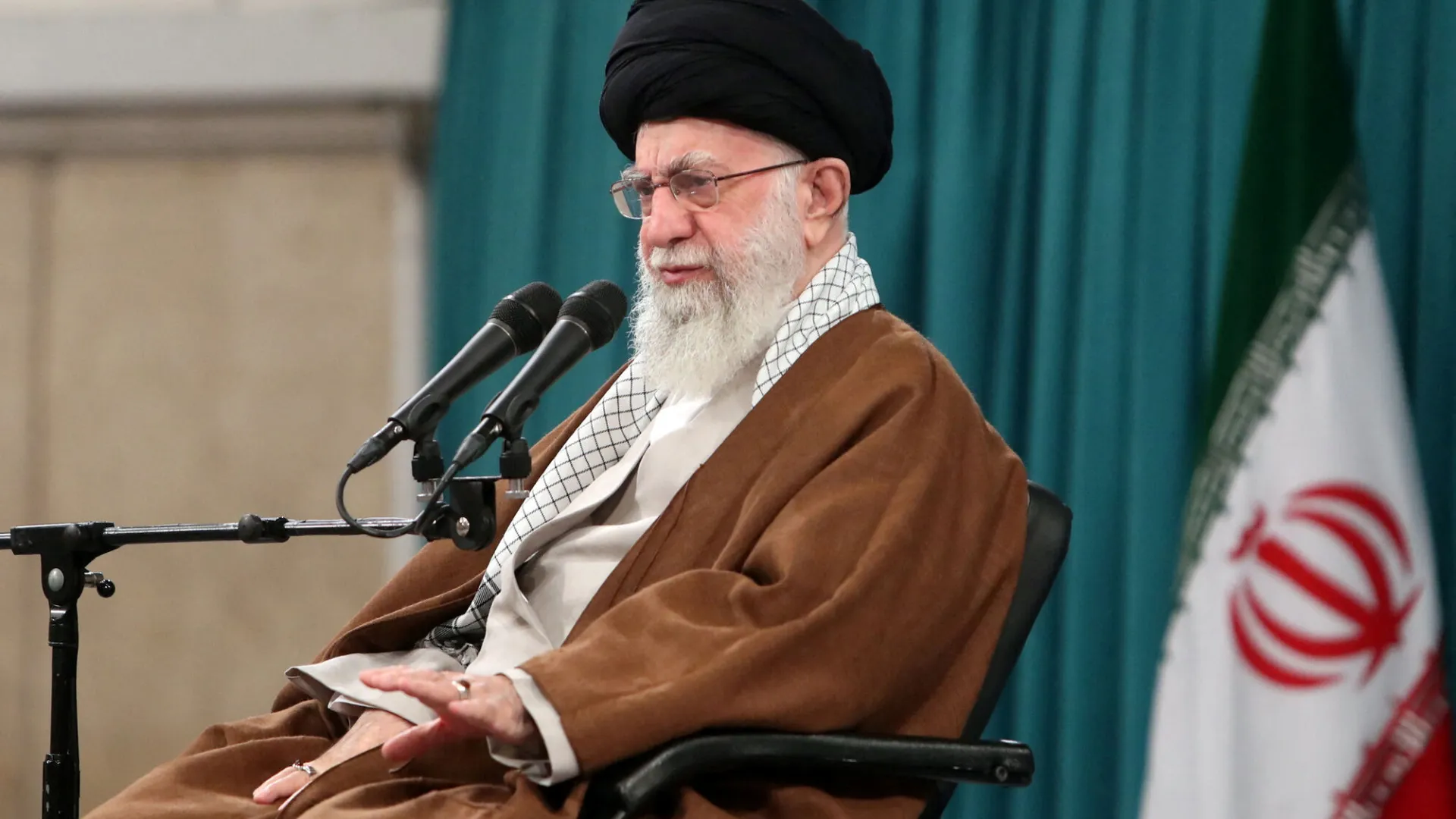

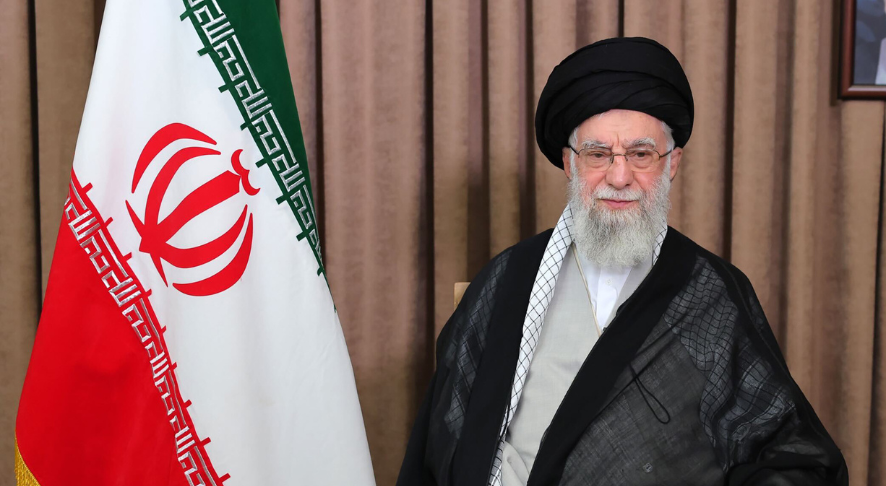
Iran has reportedly turned down a US-backed 48-hour ceasefire proposal, underscoring deep mistrust and escalating tensions in the region. The decision reflects broader strategic concerns and raises fears of a prolonged conflict.
In a development that highlights the growing intensity of the conflict in the Middle East, Tehran has reportedly rejected a proposal for a temporary 48-hour ceasefire put forward by the United States. The offer, which was said to have been communicated through indirect diplomatic channels, was intended to create a brief pause in hostilities and open space for humanitarian relief. However, Iran’s refusal suggests that the situation is far more complex than a simple pause in fighting.
According to regional reports, Iranian authorities are not convinced that a short ceasefire would serve their long-term interests. There is a growing perception within the country’s leadership that such temporary halts often benefit the opposing side more, allowing them time to regroup and reorganise their military strategy. In a conflict where every hour can shift the balance on the ground, even a brief pause is seen as a calculated risk.
The rejection also reflects the deep mistrust that has defined relations between Iran and the United States for decades. Without direct diplomatic engagement and clear assurances, proposals like these are often viewed with caution. For Tehran, agreeing to a short-term arrangement without a broader framework for peace may appear more symbolic than meaningful.
At the same time, the region continues to witness rising tensions, with ongoing military actions, reports of casualties, and increasing involvement of multiple actors. The idea behind the ceasefire may have been to slow this momentum, but its failure now raises concerns that the conflict could move into a more prolonged and unpredictable phase.
What makes this moment particularly significant is not just the rejection of a ceasefire, but what it reveals about the current mindset in Iran. The leadership appears to be focused on long-term positioning rather than short-term relief. From their perspective, agreeing to a brief pause without clear commitments from the other side could weaken their strategic advantage at a critical time.
The proposal itself was seen by many observers as a testing ground for diplomacy. A 48-hour window, while limited, could have served as a starting point for broader negotiations. Yet, the refusal indicates that both sides remain far apart in their expectations. For the United States, such a pause could have helped reduce immediate tensions and potentially build trust. For Iran, however, trust is precisely what is missing.
There is also a larger geopolitical layer to this decision. The conflict is no longer confined to a bilateral issue but has implications for the entire region. Strategic waterways, energy supply routes, and regional alliances all come into play, making every decision far more consequential. Any pause in conflict is therefore weighed not just in military terms, but also in terms of regional influence and global perception.
As the situation stands, the chances of immediate de-escalation appear slim. The rejection sends a clear signal that the path to peace, if it exists, will require more than short-term gestures. It will demand sustained dialogue, stronger guarantees, and a willingness from both sides to move beyond tactical calculations.
For now, the conflict continues without pause, and the world watches closely as each decision shapes what could become a much longer and more complex confrontation.