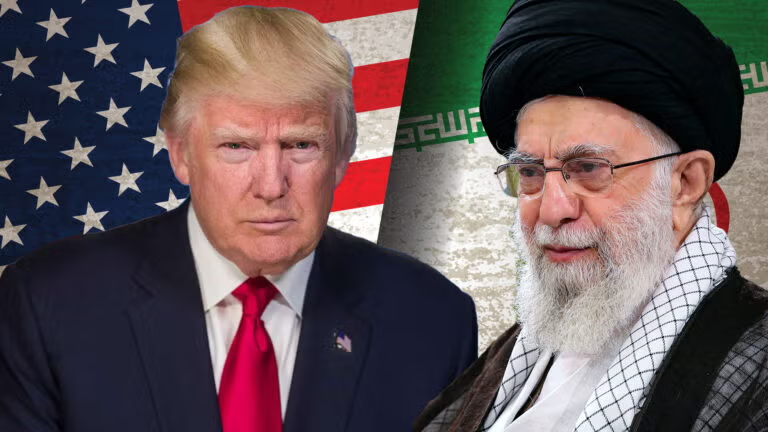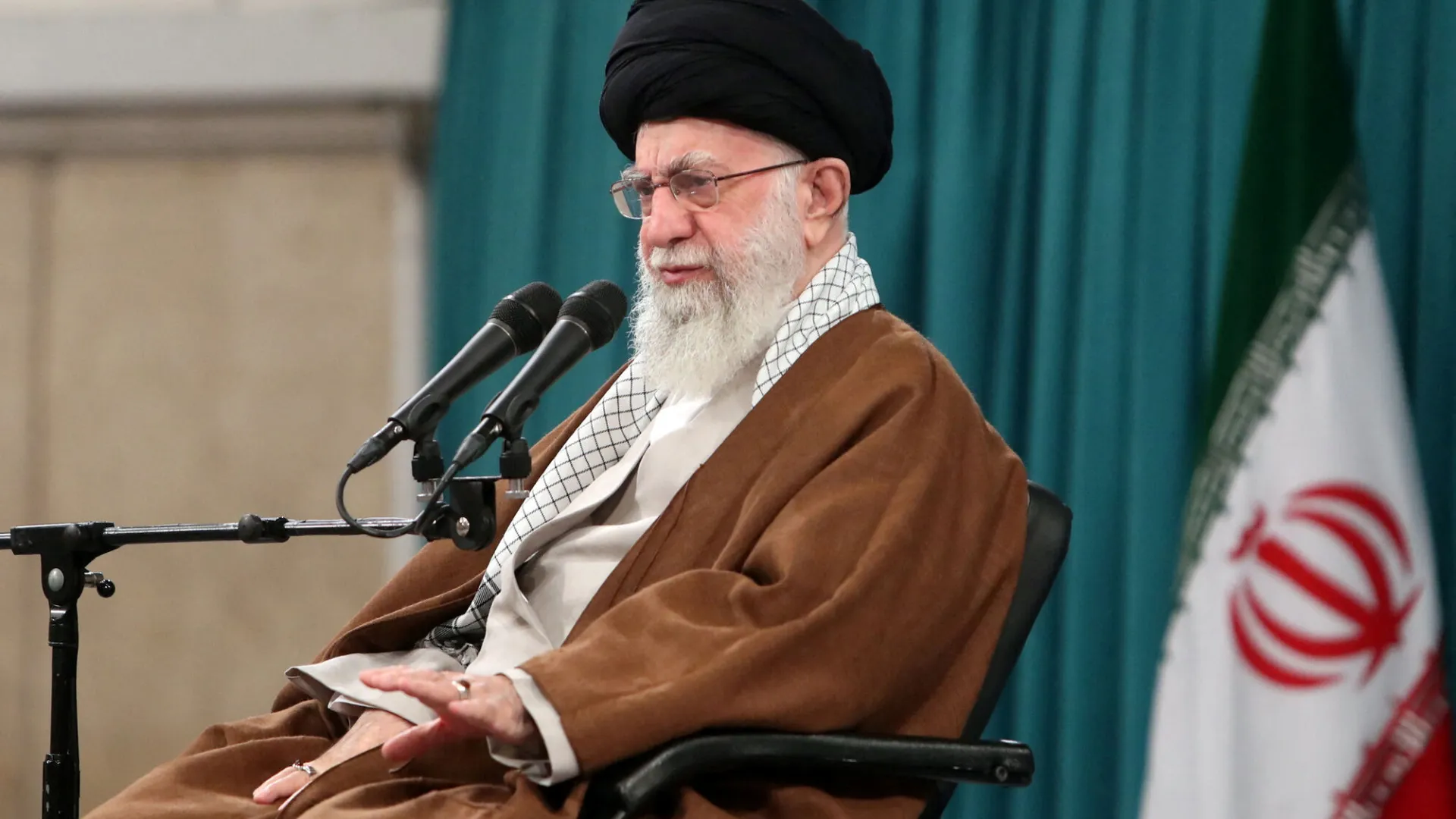

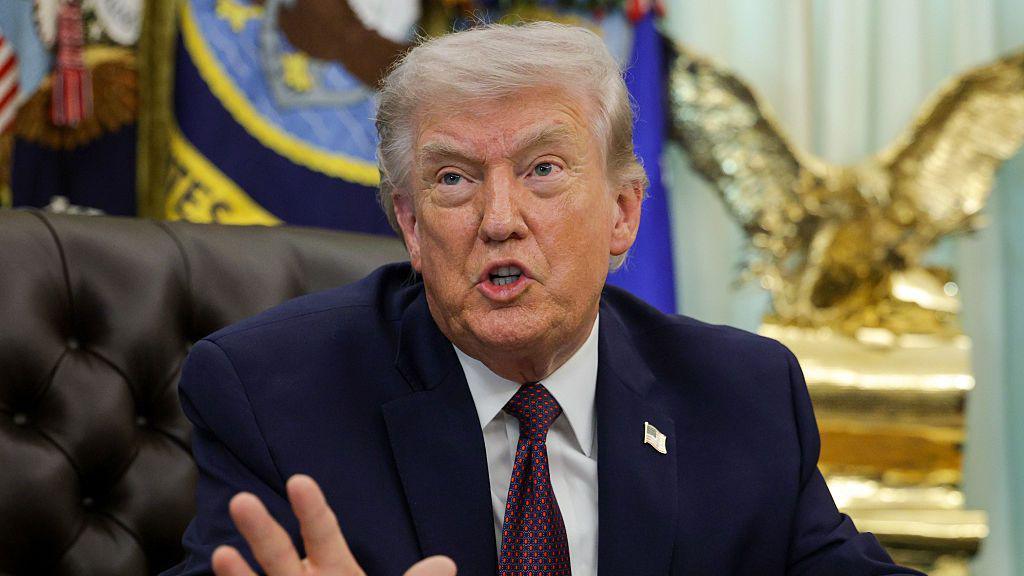
Tensions between the United States and Iran have escalated sharply after Donald Trump issued a stern warning, claiming Iran would “live in hell” if provocations continue. With reports of rescued pilots and Israel’s support, the situation signals a dangerous turn in the ongoing conflict.
The already volatile situation in the Middle East has taken a sharper turn after former US President Donald Trump issued a strong warning to Iran, stating that the country would “live in hell” if it continued aggressive actions. His remarks, delivered during a high-profile address, underline the growing intensity of rhetoric surrounding the conflict.
Trump also hinted at potential strategic operations, referring to critical infrastructure such as power plants and bridges—comments that have raised concerns about possible escalation beyond conventional military targets. At the same time, he claimed that two pilots had been successfully rescued during ongoing operations, though details remain limited.
Adding to the momentum, Israeli Prime Minister Benjamin Netanyahu praised the stance, signalling alignment between the United States and Israel as tensions continue to rise across the region.
What makes this moment particularly sensitive is the combination of strong rhetoric and strategic signalling. Trump’s remarks are not just political statements—they reflect a broader shift toward a more aggressive posture that could redefine the conflict’s trajectory. By referencing infrastructure targets, the message appears aimed at deterrence, but it also increases the risk of further escalation.
For Iran, such warnings are likely to be viewed as direct provocation, further deepening mistrust between the two sides. The involvement and public support of Israel adds another layer, turning the situation into a wider geopolitical flashpoint rather than a bilateral standoff.
Analysts believe that while both sides may be using strong language to assert dominance, the margin for miscalculation is shrinking. Any further military action or misunderstanding could rapidly intensify the conflict, making diplomatic resolution increasingly difficult in the coming days.