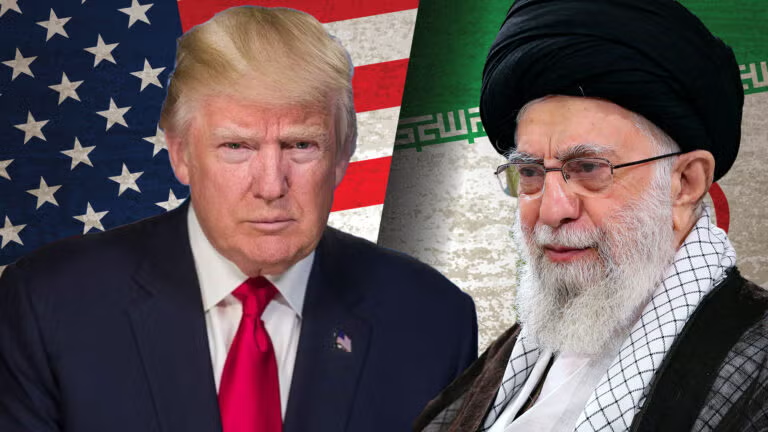

Donald Trump’s aggressive remarks on Iran have sparked political backlash and renewed debate over whether a US President can be removed from office under the 25th Amendment. Here’s a clear breakdown of what the law says and how realistic such a move is.
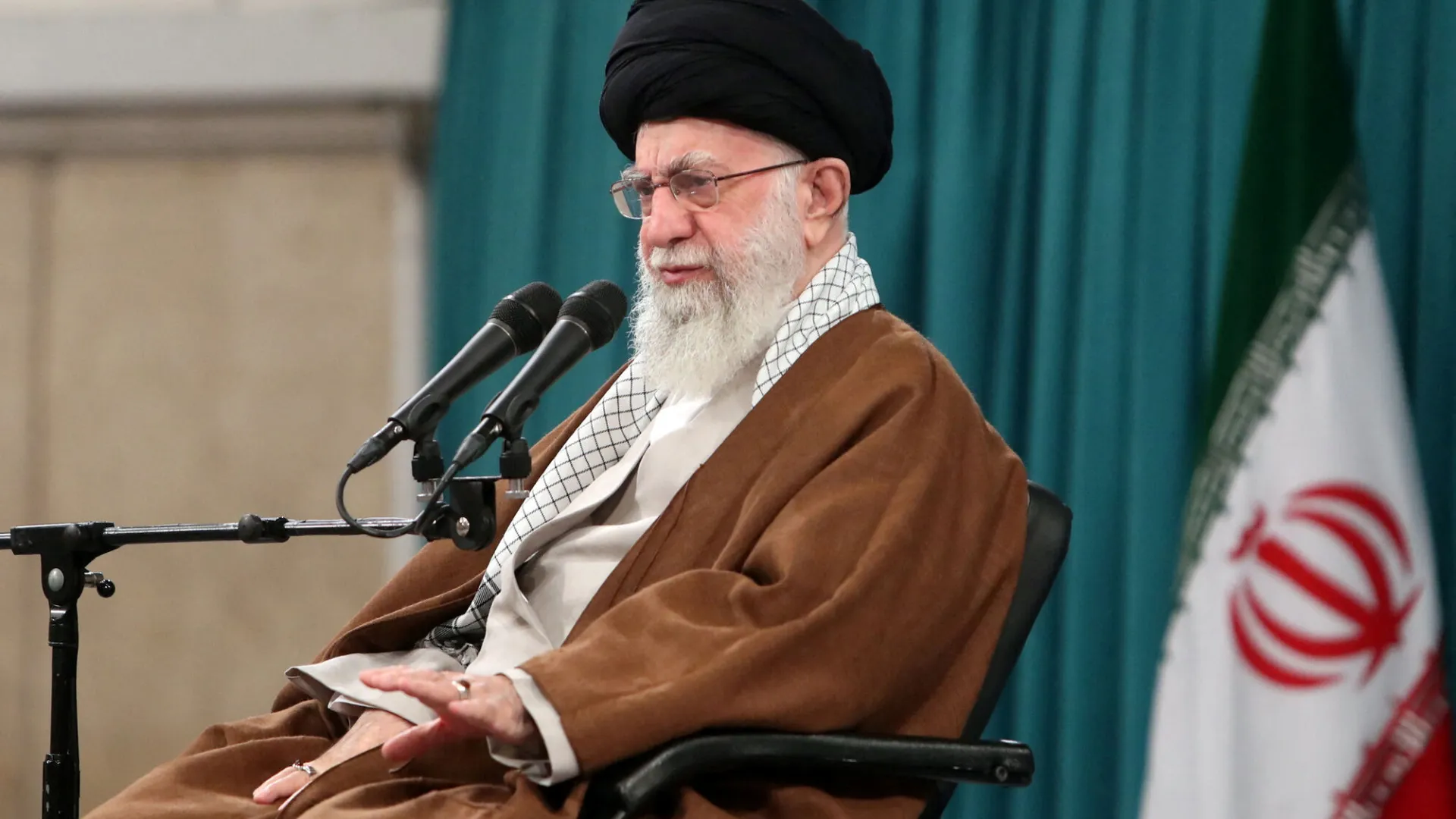
The ongoing US-Iran conflict has taken a dramatic political turn after Donald Trump faced sharp criticism for his aggressive rhetoric against Iran. His recent statements, which included threats targeting key infrastructure and strong language, have triggered intense reactions across political circles in the United States.
In the aftermath, several lawmakers and critics raised a serious constitutional question: can a sitting US President be removed from office for such conduct? The discussion has brought the 25th Amendment to the United States Constitution back into focus.
The 25th Amendment provides a mechanism to remove a president who is deemed “unable to discharge the powers and duties of the office.” In simple terms, if the Vice President and a majority of the Cabinet agree that the President is unfit to govern, they can initiate the process to transfer power.
However, experts point out that this is an extremely rare and complex process. It is not designed for political disagreements or controversial statements, but for situations involving serious incapacity, such as medical or mental inability. Even if initiated, the President has the right to contest the decision, which would then require approval from Congress.
The debate has intensified due to the current geopolitical climate. With the war escalating and global tensions rising, critics argue that leadership stability is more important than ever. Yet, despite the noise around the issue, there is little indication that such a drastic constitutional step is likely in the immediate future.
What makes this controversy significant is not just the legal debate, but the broader political atmosphere it reflects. Trump’s remarks have drawn criticism from multiple leaders who described the tone as dangerous and escalatory, especially at a time when the Middle East conflict is already highly volatile.
Some lawmakers have openly suggested exploring constitutional options, including the 25th Amendment, arguing that the President’s language could further destabilise an already fragile situation. However, political analysts caution that such calls are often more symbolic than practical. Removing a sitting president requires strong bipartisan support, which is extremely difficult to achieve in a divided political environment.
There is also a clear distinction between impeachment and removal under the 25th Amendment. While impeachment is a political process based on alleged misconduct, the 25th Amendment is strictly about the President’s ability to function in office. This makes its application in cases of controversial statements highly unlikely.
Meanwhile, the focus remains on the larger geopolitical consequences. The war with Iran continues to impact global markets, energy supplies, and diplomatic relations. Strong rhetoric from leadership figures can influence not just domestic politics but also international responses.
At this stage, the debate around Trump’s removal appears to be more of a political flashpoint than an imminent reality. The constitutional pathway exists, but the threshold for using it remains exceptionally high.
For now, the controversy highlights one key issue—how leadership behaviour during times of conflict can quickly evolve into a constitutional and political debate with global implications.