
Premium fuel prices in India have been increased, adding fresh pressure on consumers already facing rising costs. While regular petrol and diesel remain stable for now, experts warn that global oil trends could soon impact overall fuel pricing.
In a fresh development that signals rising pressure in the energy market, oil marketing companies in India have increased the prices of premium petrol and select diesel variants. The move comes at a time when global crude oil prices are witnessing sharp volatility due to geopolitical tensions, particularly in the Middle East.
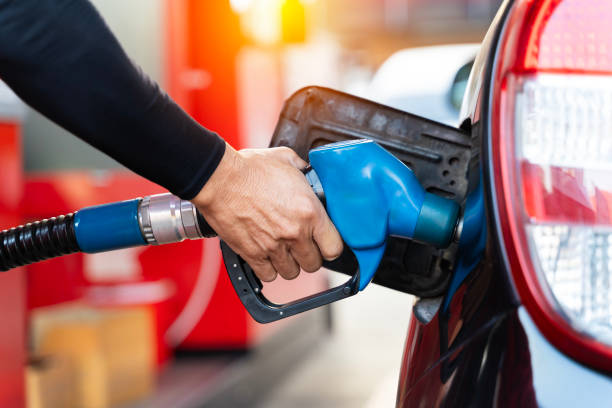
Premium fuels such as high-octane petrol—commonly used in luxury and high-performance vehicles—have seen price increases of around ₹2 to ₹2.35 per litre in recent revisions. These fuels, marketed under different brand names by major oil companies, are designed to offer better engine performance and efficiency.
Interestingly, while premium fuel users are directly impacted, regular petrol and diesel prices have largely remained unchanged across major cities. This indicates a cautious pricing strategy by the government and oil companies to avoid immediate inflationary pressure on the broader population.
However, the situation is far from stable. Global crude oil prices have surged significantly, even touching high levels due to supply disruptions and ongoing geopolitical conflicts. Since India imports nearly 85% of its crude oil requirements, any fluctuation in international markets directly impacts domestic fuel pricing.
Another important factor is the recent increase in industrial diesel prices, which affects sectors like logistics, manufacturing, and construction. This could indirectly lead to higher prices of goods and services, further affecting household budgets.
For now, the government appears to be balancing consumer protection with market realities. But analysts believe that if global oil prices continue to rise, even regular fuel prices may not remain insulated for long.
From a broader perspective, this price hike in premium fuels is more than just a marginal increase—it is an early indicator of potential economic ripple effects. While many consumers may ignore premium petrol, assuming it affects only luxury vehicle owners, the reality is far more complex.
Premium fuel pricing often acts as a testing ground for oil companies. By first adjusting prices in this segment, companies gauge market reaction before making wider changes. This means the current hike could be a precursor to broader fuel price revisions in the coming weeks.
The timing of this increase is also critical. India is already witnessing rising costs in other energy segments, including LPG and aviation fuel. When multiple fuel categories become expensive simultaneously, it creates a compounding effect on inflation.
For businesses, especially those dependent on transportation, even a small rise in fuel cost can significantly increase operational expenses. Over time, these increased costs are passed on to consumers in the form of higher prices for everyday goods—from vegetables to e-commerce deliveries.
Another layer to consider is government intervention. In recent weeks, the government has taken steps such as reducing excise duties to cushion the impact of rising global crude prices. However, such measures have limits, especially if international prices remain elevated for a prolonged period.
For consumers, the key takeaway is clear: while the current hike may seem limited to premium fuels, it signals a shifting trend. If global conditions remain tense, fuel prices across categories could rise, making transportation and daily living more expensive.
In simple terms, today’s premium fuel hike could be tomorrow’s broader cost-of-living challenge.