

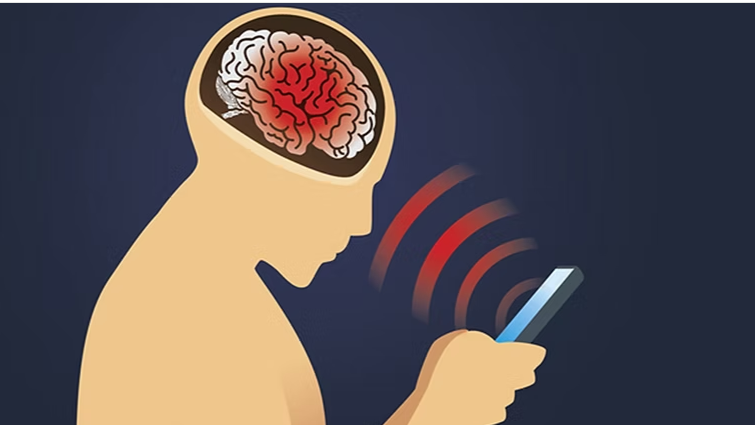
Gen Z is increasingly relying on smartphones and cloud storage to remember everyday information, from phone numbers to directions. While this trend improves convenience, experts warn it may reshape memory, learning habits, and cognitive abilities in the long run.
A noticeable shift is taking place in how young people process and retain information. For many in Gen Z, memory is no longer something to be actively exercised but something that can be stored externally. Smartphones, cloud storage, and digital tools have become extensions of the brain, handling everything from basic reminders to critical personal data.
This transformation is largely driven by convenience. With instant access to search engines, navigation apps, and note-taking tools, the need to remember information has reduced significantly. Many young users today admit they cannot recall phone numbers, addresses, or even daily routes without assistance. Instead, they rely on devices that can retrieve this information instantly.
Experts describe this behavior as cognitive offloading, where the brain shifts responsibility for storing information to external systems. While this reduces mental effort, it also changes how memory works. People are increasingly remembering where information is stored rather than the information itself. This subtle shift has significant implications for how knowledge is formed and retained.
One of the clearest examples can be seen in navigation habits. Dependence on GPS has reduced the ability to mentally map surroundings. Even familiar routes are often followed through digital instructions, weakening spatial awareness over time. Similarly, the widespread use of password managers and autofill features has led to a decline in the ability to recall important login details.
The broader concern is not just about forgetting small details but about long-term cognitive impact. Reduced reliance on memory may affect attention span and the ability to engage deeply with information. When answers are always one search away, the motivation to fully understand or retain knowledge can decline.
However, some experts argue that this shift is not entirely negative. By freeing the brain from storing routine information, individuals may be able to focus more on creativity, problem-solving, and critical thinking. In this sense, technology is not replacing intelligence but reshaping how it is used.
What is clear is that Gen Z is adapting to a world where information is abundant and instantly accessible. The challenge moving forward will be finding a balance between convenience and cognitive engagement. As digital dependence grows, understanding its impact on the human mind will become increasingly important.