
After suffering multiple home Test defeats, the BCCI has introduced a structured roadmap to rebuild India’s red-ball strength. The plan focuses on grooming young talents like Vaibhav Sooryavanshi through long-format exposure and high-performance programs.
Indian cricket is entering a phase of serious introspection after a string of unexpected defeats at home exposed cracks in its once-dominant Test structure. In response, the Board of Control for Cricket in India has rolled out a long-term roadmap aimed at rebuilding the country’s red-ball strength, with a clear focus on grooming the next generation of players.
The move comes after India suffered five significant home Test defeats against teams like New Zealand and South Africa over the past two seasons. These losses have raised concerns about the team’s depth, adaptability, and long-term sustainability in the longest format of the game.
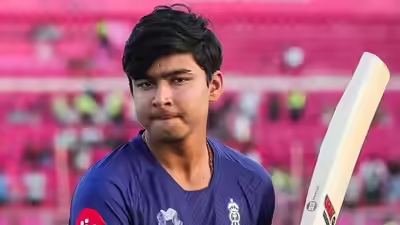
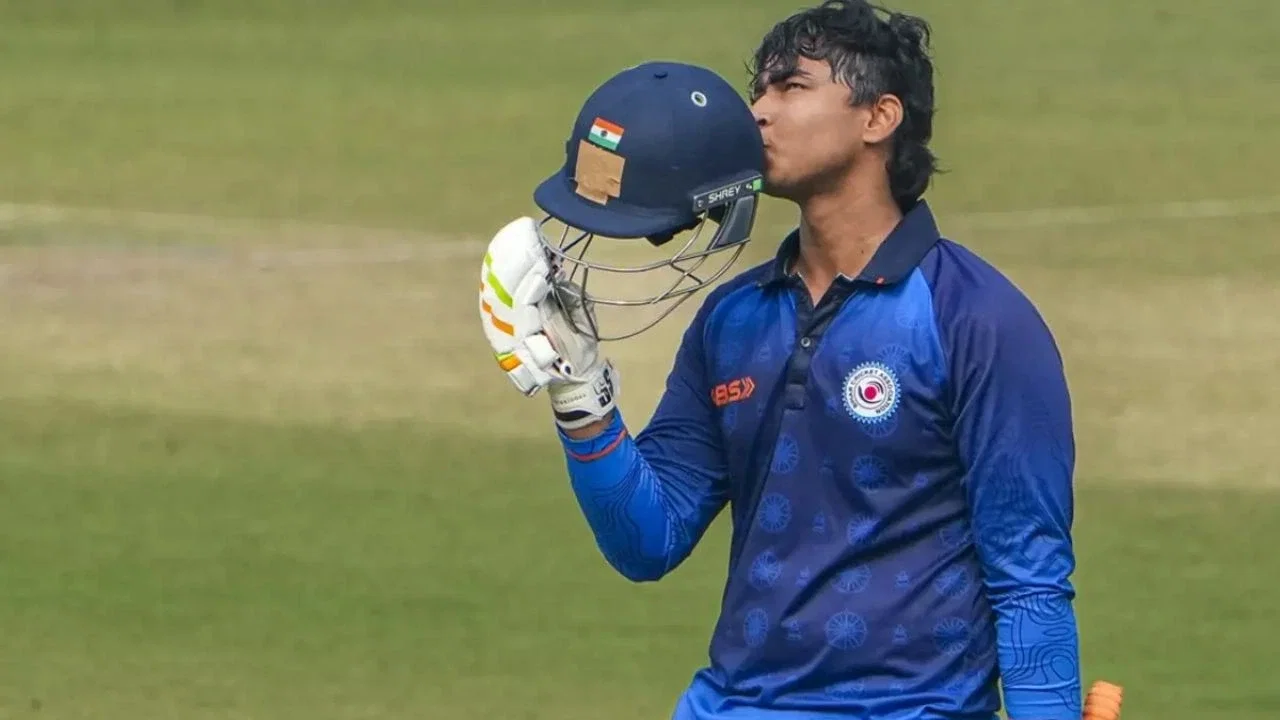
At the centre of this rebuilding strategy is a new crop of young cricketers, including Vaibhav Sooryavanshi, who are being seen as future pillars of India’s Test setup. Despite his rapid rise in white-ball cricket, the focus now is on preparing him and others for the demands of red-ball cricket—where patience, technique, and mental strength are critical.
The roadmap is being driven by the BCCI’s Centre of Excellence in Bengaluru, under the guidance of VVS Laxman. One of the key initiatives includes organizing a four-day intra-squad tournament scheduled for June–July. This tournament will feature around 64 players under the age of 25, selected from domestic cricket, junior circuits, and emerging IPL talents.
The idea behind this structure is not just to identify talent but to create a consistent pipeline of Test-ready players. Unlike shorter formats, where players can rely on aggression and instinct, Test cricket requires discipline and adaptability across different pitch conditions. By exposing young players to longer-format matches early in their careers, the board aims to bridge this gap.
Another major shift in strategy is the unified approach across all levels of Indian cricket. Coaches and selectors—from senior teams to Under-19 setups—have been instructed to prioritize red-ball development in training camps. This ensures that players grow within a system that values Test cricket from the grassroots level itself.
The urgency behind this move is clear. India, once considered nearly unbeatable at home, has seen its dominance challenged in recent years. The transition phase, marked by the gradual exit of experienced players and the rise of a younger generation, has made it necessary to rethink long-term planning.
For players like Sooryavanshi, who has already shown exceptional promise at a young age, this roadmap represents both an opportunity and a challenge. His aggressive style may suit limited-overs formats, but adapting to Test cricket will require a different approach—one that this new system aims to instill.
From a broader perspective, this is not just a development program—it is a strategic reset. The BCCI is looking beyond immediate results and focusing on building a sustainable red-ball ecosystem that can deliver consistent performances over the next decade.